

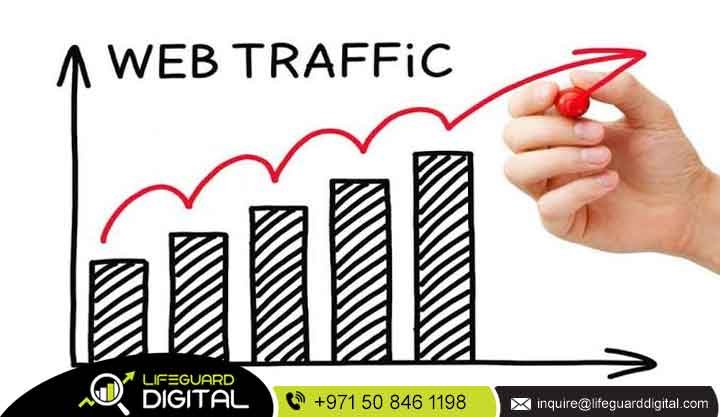
If you run an online business or manage digital marketing, scaling your organic search presence can often feel like an uphill battle. While paid advertising offers quick bursts of visitors, it stops the moment your budget runs dry. Sustainable, long-term business growth relies on unpaid search engine visibility. Mastering how to increase organic website traffic allows your brand to capture high-intent users actively searching for your solutions. Outranking competitors on competitive search engine result pages requires a meticulous mix of technical infrastructure setup, semantic keyword strategy, and high-value content.
Digital strategists frequently ask how to get more organic traffic? without relying on manipulative shortcuts. This comprehensive guide walks you through everything you need to know, from foundational keyword research and technical Core Web Vitals optimization to modern AI search adaptation and internal linking architectures.
Understanding the Foundation of Organic Search Growth
Think of your website as an ecosystem where organic search visibility serves as the primary engine for sustainable acquisition. Individual landing pages and blog posts work together to build domain-wide authority. Over time, as you publish helpful resources and refine your architecture, search engines recognize your site as a trusted authority.
Understanding why organic website traffic growth matters comes down to two major fundamental benefits: it drives compounding returns over time, and it captures users at every single stage of the buyer’s journey. By structuring your pages cleanly, you pass crucial page authority through your entire domain. Furthermore, capturing organic visitors lowers your overall customer acquisition cost compared to paid channels.
Step 1: Execute High-Precision Keyword Research
Before writing a single sentence, you must understand what your audience is typing into search engines. Modern keyword research goes far beyond chasing high-volume head terms; it focuses on uncovering search intent and answering specific user questions.
Balancing Search Volume and Competition: Target queries that align with your domain’s current authority level. Going after hyper-competitive terms too early wastes resources.
Targeting Long-Tail Phrases: Capture high-converting traffic by focusing on specific, multi-word queries that reflect deeper intent.
Mapping Intent Clusters: Group keywords by whether the user wants to learn, compare, or purchase.
Mastering keyword research for organic traffic ensures your content strategy targets queries your business can realistically win.
Step 2: Master On-Page Optimization Best Practices
On-page optimization tells search engine crawlers exactly what your content is about while making your pages easy for humans to read.
Crafting Compelling Metadata: Write click-worthy title tags under 60 characters and descriptive meta summaries that encourage users to click through from search results.
Semantic Keyword Integration: Weave related terms and synonyms naturally into your copy to provide contextual depth without keyword stuffing.
Clear Heading Hierarchies: Organize your pages with logical H1, H2, and H3 tags to guide readers and search bots through your core arguments.
Implementing rigorous on page SEO for organic traffic builds an immediate foundation of relevance and readability.
Step 3: Build a Comprehensive Content Strategy and Topic Clusters
Publishing random blog posts rarely moves the needle anymore. Search engines reward comprehensive topical authority, which you achieve by organizing your content into structured topic clusters.
Pillar and Cluster Models: Create comprehensive pillar pages covering broad topics, backed by detailed sub-cluster articles linking back and forth.
Content Audits and Pruning: Regularly review legacy pages to update stale data, improve readability, and consolidate thin content.
E-E-A-T Integration: Demonstrate first-hand experience, professional expertise, authoritativeness, and trustworthiness across all published assets.
Developing an intentional SEO content strategy for traffic signals deep subject matter expertise to search algorithms.
Step 4: Fortify Your Technical SEO Infrastructure
Even the best content will fail to rank if search engine bots cannot crawl, parse, or index your pages efficiently. Technical health remains a foundational requirement.
Optimizing Core Web Vitals: Ensure fast loading speeds (Largest Contentful Paint under 2.5s), high interactivity (Interaction to Next Paint under 200ms), and visual stability (Cumulative Layout Shift under 0.1).
Crawl Budget Management: Use clean XML sitemaps and properly configured robots.txt files to direct crawlers to your most important revenue-generating pages.
Fixing Indexation Errors: Regularly resolve broken links, redirect chains, and accidental noindex tags using Google Search Console.
Prioritizing organic search traffic optimization protects your domain from algorithmic penalties and crawl waste.
Step 5: Engineer a Rock-Solid Internal Linking Framework
Internal links act as the internal plumbing of your website, guiding users smoothly from page to page while distributing link equity across your domain.
Contextual Cross-Linking: Link related articles and subcategories using descriptive anchor text that explains the destination context.
Eliminating Orphan Pages: Ensure every published page has at least one internal link pointing to it so crawlers never miss your assets.
Strategic Page Tiering: Direct authority flows from high-traffic blog posts down to core conversion and service pages.
Applying consistent SEO strategies to increase traffic through internal links improves user session depth and crawl efficiency.
Step 6: Expand Authority Through Off-Page SEO and Link Building
External endorsements from trusted industry websites tell search engines that your content is valuable, credible, and worthy of top rankings.
Earning Editorial Backlinks: Focus on digital PR and outreach to secure links from authoritative publications within your niche.
Unlinked Brand Mentions: Monitor mentions of your company online and reach out to request active hyperlinks.
Quality Over Quantity: A single link from a trusted, relevant domain carries more weight than dozens of low-quality directory submissions.
Building a clean backlink profile directly accelerates website traffic growth strategies by amplifying domain authority.
Step 7: Adapt to AI-Driven Search and Zero-Click Results
Modern search engine result pages feature AI summaries, instant answer boxes, and zero-click layouts. Adapting your formatting ensures your brand captures visibility despite changing SERP layouts.
Structuring for Featured Snippets: Use concise paragraphs, bulleted lists, and structured tables to answer user questions directly.
Schema Markup Implementation: Add structured data markup (Article, FAQ, and Organization schema) to help search engines parse your entity relationships.
Conversational Content Optimization: Write clearly and address user pain points directly to match voice search and AI assistant queries.
Focusing on these modern tactics helps improve organic search visibility across traditional and AI-driven search environments.
Step 8: Measure, Track, and Analyze Your Organic Performance
Continuous optimization requires regular analysis of performance data. Tracking the right metrics allows you to pivot quickly when algorithms shift.
Monitoring Search Console Dashboards: Track impressions, average ranking positions, and click-through rates across your primary landing pages.
Evaluating Engagement Metrics: Keep an eye on bounce rates, session duration, and conversion paths to ensure visitors find what they need.
Diagnosing Traffic Dips: Use historical comparison data to isolate technical errors from broader core algorithm updates.
Regularly reviewing analytics ensures your organic traffic SEO strategies continue producing measurable ROI over time.
Frequently Asked Questions (FAQs)
How to increase organic website traffic?
To increase organic website traffic, focus on publishing comprehensive problem-solving content, executing precise keyword research, fixing technical bottlenecks like Core Web Vitals, and building high-quality backlinks.
How to get more organic traffic?
You can get more organic traffic by optimizing your existing pages with semantic keywords, structuring content into topic clusters, improving site speed, and ensuring your metadata drives high click-through rates.
How to improve organic search traffic?
Improving organic search traffic requires continuous content audits, updating outdated statistics, fixing crawl errors in Search Console, and strengthening your internal linking architecture.
How to increase Google organic traffic?
To increase Google organic traffic, align your content precisely with user search intent, implement schema markup, optimize for mobile-first indexing, and build topical authority within your niche.
How to grow website traffic organically?
Growing traffic organically takes a balanced approach combining technical health, high-impact on-page SEO, authoritative link building, and consistent content publishing.
How to increase website traffic through SEO?
Increasing traffic through SEO involves systematic keyword targeting, optimizing technical page performance, organizing your site hierarchy logically, and monitoring search console analytics.
How to attract more organic visitors?
Attracting more organic visitors relies on answering user questions thoroughly, winning featured snippets, formatting content with clean headings, and building a strong brand entity.
How to increase search engine traffic?
Increasing search engine traffic requires satisfying search intent in the first 100 words, optimizing page load speeds, and establishing strong E-E-A-T signals across your domain.
How to drive organic traffic to a website?
Driving organic traffic involves creating pillar content hubs, securing editorial backlinks from industry peers, and maintaining clean site architecture free of orphan pages.
How to increase website visibility on Google?
Increasing website visibility on Google involves writing compelling title tags, implementing structured data, optimizing for mobile devices, and keeping your technical infrastructure error-free.
Conclusion
Sustainably increasing organic search traffic requires an integrated approach that balances technical performance, semantic content depth, and rigorous performance tracking. By focusing on user intent and maintaining a healthy technical architecture, you can turn your website into a powerful, long-term acquisition engine
Website: https://lifeguarddigital.com/